Dikeledi Magadzi Biography: Cause of Death, Career, place of birth, profile, Age, Family, Children, Net worth.

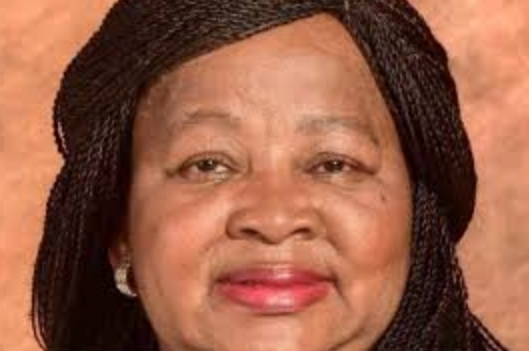
Dikeledi Phillistus Magadzi (1949 – 28 December 2025) was a prominent South African politician and a dedicated member of the African National Congress (ANC). Over several decades, she held various high-ranking positions within both the provincial and national government, eventually serving as a Member of Parliament and a Deputy Minister.
In the Limpopo Provincial Government, Magadzi served as a Member of the Executive Council (MEC) across multiple portfolios, including Public Works (1994–1998), Agriculture (2004–2009), and Safety and Security (2009–2010). Her leadership extended to the national stage in 2014 when she was elected to the National Assembly. During her tenure in Parliament, she chaired the Portfolio Committee on Transport before being appointed as the Deputy Minister of Transport in 2019. Her final government role was as the Deputy Minister of Water and Sanitation, a position she held from 2021 until March 2023.
Beyond her legislative and executive duties, Magadzi was a seasoned political activist with roots in the anti-apartheid struggle. She was an active member of the United Democratic Front (UDF) and the Federation of South African Women. She also played a significant role in the ANC Women’s League and served on the ANC’s National Executive Committee (NEC) for many years.
Dikeledi Magadzi passed away on 28 December 2025, at the age of 75. In recognition of her service to the country, she was accorded a Category Two Official Provincial Funeral, scheduled to take place in Polokwane in early January 2026. She is remembered by her colleagues and family—including her five children and grandchildren—as a pioneer and a committed public servant
Early Life and Nationality
Dikeledi Phillistus Magadzi was born in South Africa around 1949 or 1950. Growing up during the height of the apartheid era, her early life was deeply influenced by the socio-political struggles of the time. She was a proud South African national who dedicated her life to the liberation of her people and the subsequent building of a democratic nation.
While specific details of her childhood home are kept private, her early activism indicates a background rooted in community organization. She emerged as a leader during the 1980s, a period of intense resistance against the apartheid regime, which helped forge her character as a resilient and dedicated activist.
Education and Academic Background
Magadzi’s commitment to self-improvement and professional growth was evident throughout her life. In her later years, she remained dedicated to education, being noted as pursuing an Honours degree in Special Education. Her academic interests were not just for personal gain but often aligned with her public service roles, particularly in understanding the needs of vulnerable populations.
Political Career:
A Journey of Service
Magadzi’s career is a testament to her versatility and leadership capacity. She held numerous high-profile positions that impacted the lives of millions of South Africans.
Provincial Leadership in Limpopo
Magadzi’s rise in government began in the Limpopo Provincial Government, where she served in various MEC roles:
MEC for Public Works (1994–1998): She was among the first generation of leaders to lead provincial departments in the new democracy, focusing on post-apartheid infrastructure.
MEC for Agriculture (2004–2009):
In this role, she focused on rural development and food security.
MEC for Safety and Security (2009–2010): Here, she addressed issues of community policing and public safety.
National Assembly and Committee Leadership
In 2014, Magadzi was elected to the National Assembly of South Africa. Her expertise in infrastructure led her to be appointed as the Chairperson of the Portfolio Committee on Transport (2014–2019). In this capacity, she provided oversight to the Department of Transport and played a key role in legislative processes affecting the sector.
National Executive Roles
President Cyril Ramaphosa appointed her to significant national roles:
Deputy Minister of Transport (2019–2021): She worked to modernize South Africa’s transport networks.
Deputy Minister of Water and Sanitation (2021–2023): She served alongside Minister Senzo Mchunu and Deputy Minister David Mahlobo to address the country’s water challenges.
Organizational Roles and Activism
Dikeledi Magadzi was more than a government official; she was a stalwart of the ANC.
United Democratic Front (UDF): Member from 1985 to 1990.
NEHAWU: Member from 1987 to 1994, showing her roots in the labor movement.
ANC Women’s League: Served as an Executive Member from 1990 to 1996.
ANC National Executive Committee (NEC): A long-serving member from 2007 until 2022.
Major Achievements
Infrastructure Oversight: Successfully chaired the Transport Portfolio Committee during a period of major rail and road reforms.
Longevity in Governance: One of the few leaders to have served in both provincial and national executives with distinction.
Women’s Empowerment: As a member of the Federation of South African Women, she was a vocal advocate for the rights of women in the political sphere.
Water Crisis Management: Played a supportive role in the “Water and Sanitation Turnaround” strategy initiated by the Ramaphosa administration.
Personal Life and Family
Magadzi was a family-oriented individual. She was married and was a mother to five children. In her later years, she found great joy in her role as a grandmother to two grandchildren. Despite her busy political schedule, she remained grounded in her family life, which she kept largely out of the public eye to protect their privacy.
Net Worth
While there is no official public figure for her exact net worth, Magadzi’s financial disclosures through the years showed interests in various investment companies such as Leswika Women’s Investment, Yebo Yethu, and Phutuma Nathi. Her wealth was primarily built through her decades-long career in public service and strategic investments in South African companies.
Death and Legacy
Dikeledi Phillistus Magadzi passed away on 28 December 2025 at the age of 75. Her death marked the end of an era for a leader who had been present at almost every major stage of South Africa’s democratic transition. She is remembered as a disciplined “cadre” of the movement who prioritized service over self.
Conclusion
The life of Dikeledi Phillistus Magadzi was one dedicated to the service of South Africa. From the trenches of the UDF to the halls of Parliament and the National Executive, she remained a steadfast figure in the ANC. Her legacy is defined by her role in building provincial infrastructure and her oversight of national transport and water systems. As South Africa reflects on her journey, she remains a symbol of the transition from struggle to governance.
FAQs about Dikeledi Phillistus Magadzi
Who was Dikeledi Phillistus Magadzi?
She was a prominent South African politician, ANC leader, and former Deputy Minister of Water and Sanitation.
When did Dikeledi Magadzi die?
She passed away on December 28, 2025, at the age of 75.
What was her last position in government?
Her last government role was as the Deputy Minister of Water and Sanitation, which she held until March 2023.
Which political party did she belong to?
She was a lifelong member of the African National Congress (ANC).
How many children did she have?
She had five children and two grandchildren.
Did she serve in the Limpopo Provincial Government?
Yes, she served as MEC for Public Works, Agriculture, and Safety and Security in Limpopo.
Was she a member of the ANC NEC?
Yes, she was a member of the National Executive Committee of the ANC from 2007 to 2022.
What was her contribution to transport?
She served as both the Chairperson of the Portfolio Committee on Transport and later as the Deputy Minister of Transport.
What did she study?
She held various qualifications and was pursuing an Honours degree in Special Education in her later years.
Why did she leave her role as Deputy Minister?
She was replaced during a cabinet reshuffle in March 2023 by President Cyril Ramaphosa and subsequently resigned from Parliament.


